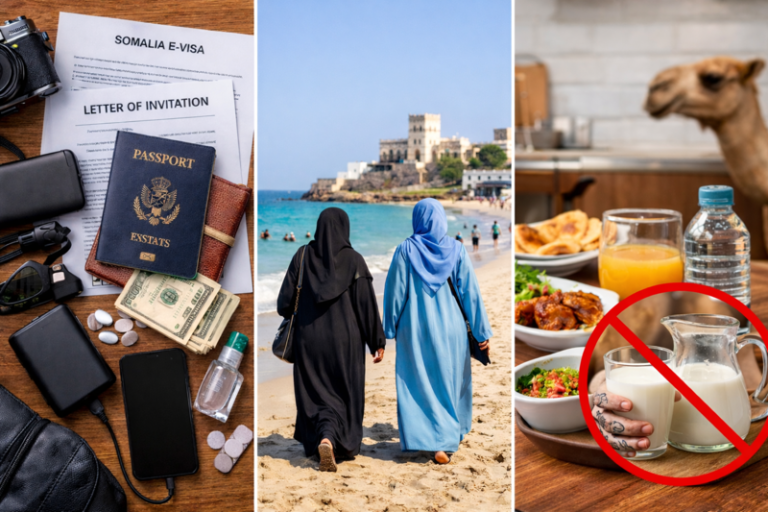
Travel Guide: Mogadishu — The World’s Most Challenging City for Photography
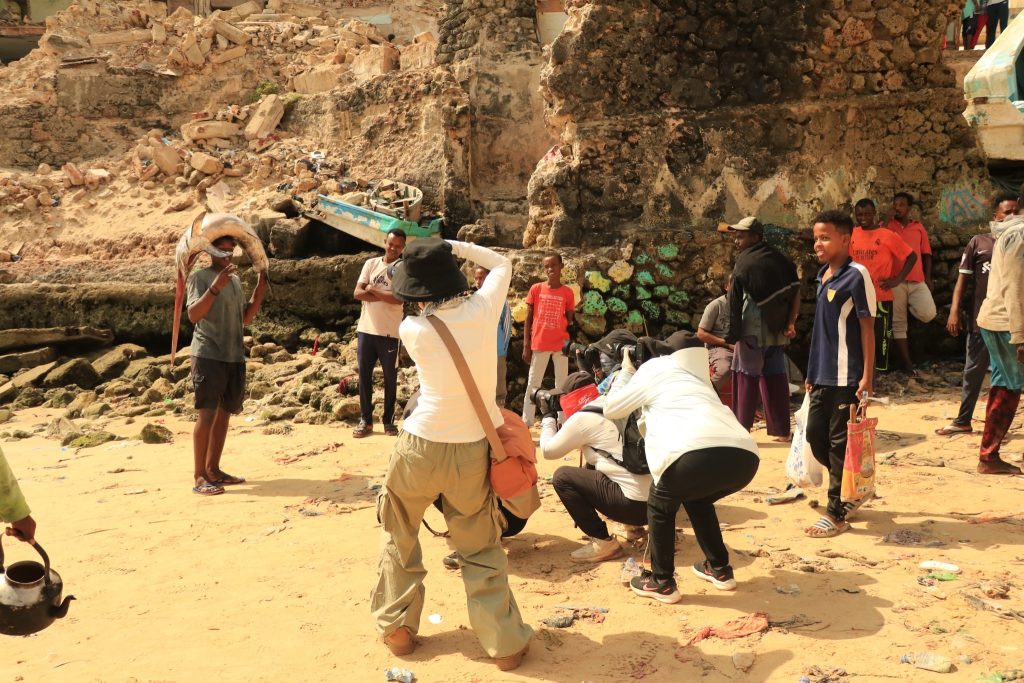
Mogadishu, the capital of Somalia, is one of the world’s most captivating yet challenging places for photography. Unlike typical tourist destinations where cameras blend into the scenery, here they can quickly draw attention — especially big DSLR or professional cameras, which often make locals feel uncomfortable or suspicious. Most Somalis are naturally camera shy, a reflection of cultural modesty and sensitivity shaped by years of conflict and privacy concerns. Pointing a lens at someone without permission is not just considered rude; it can cause discomfort or confrontation, making human subjects difficult to capture unless approached with respect and patience.
Security is another defining factor of photography in Mogadishu. The city is dotted with military checkpoints, and armored vehicles and armed escorts are a frequent sight. Many areas prohibit filming altogether, especially near government buildings, police stations, or intersections patrolled by security forces. Even lifting a large camera at the wrong moment may result in questioning or equipment inspection. As a result, photography here is not spontaneous — it must be carefully guided, often with the help of licensed local operators who know when and where it is safe to shoot.
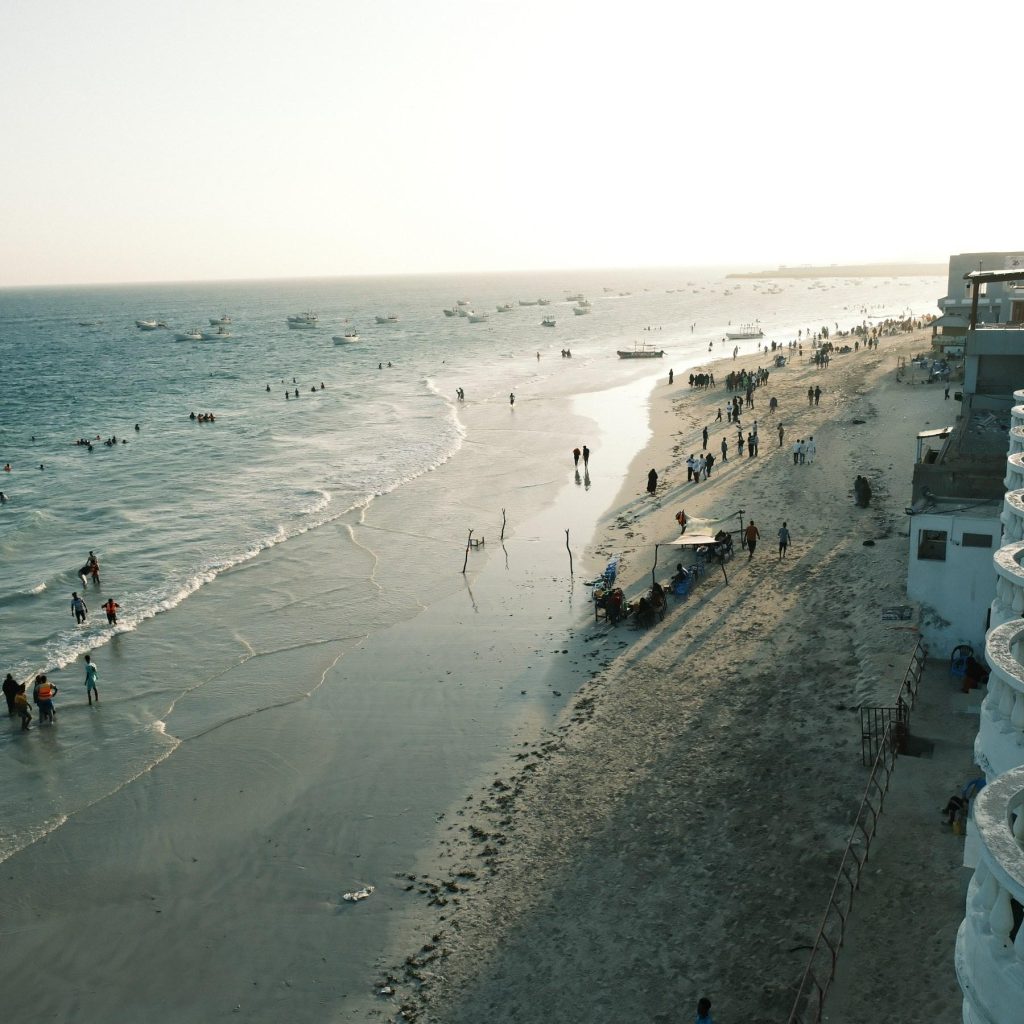
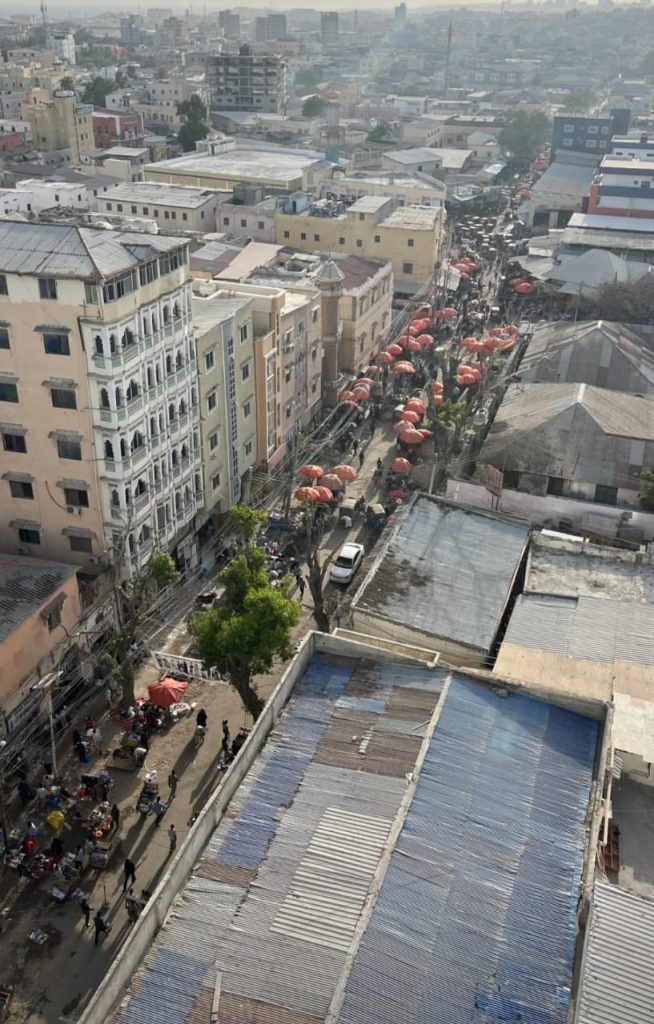
Yet for those who navigate these challenges with cultural awareness, Mogadishu offers incredibly rewarding photographic moments. Dawn at Lido Beach, camel caravans on dusty roads, bustling spice markets, and fishermen hauling fresh catch from the Indian Ocean — these scenes tell a story of resilience and everyday life beyond the headlines. In Mogadishu, every photo is earned, not taken. And perhaps that’s what makes it one of the most meaningful photography experiences in the world.
Conclusion:
Mogadishu isn’t a destination for casual photography — it’s a test of patience, humility, and human connection. It demands that you put people before pictures and intuition before equipment. Travelers are often better off using small, discreet cameras or smartphones instead of big rigs to blend in respectfully. But for those who adapt and follow its unspoken rules, the reward isn’t just in the images captured — it’s in the relationships built and the deeper understanding gained. In a world where photography is effortless, Mogadishu reminds us that the most powerful stories are the ones you earn through trust.