MOGADISHU: a CITY IN TRANSITION-BETWEEN RESILIENCE AND RENEWAL.
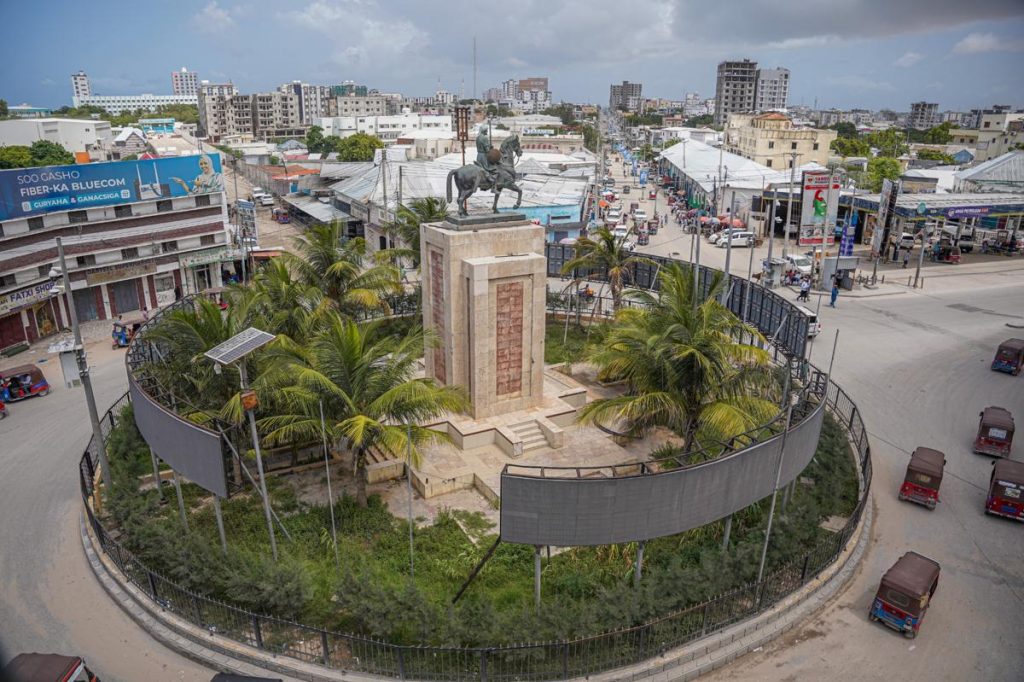
Mogadishu, the capital of Somalia, is a city unlike any other. Mention its name abroad, and many still imagine conflict and instability. But walk its streets today, and a different reality begins to emerge — one of rebirth, color, and quiet determination.
Security Improving, But Still Not Without Caution
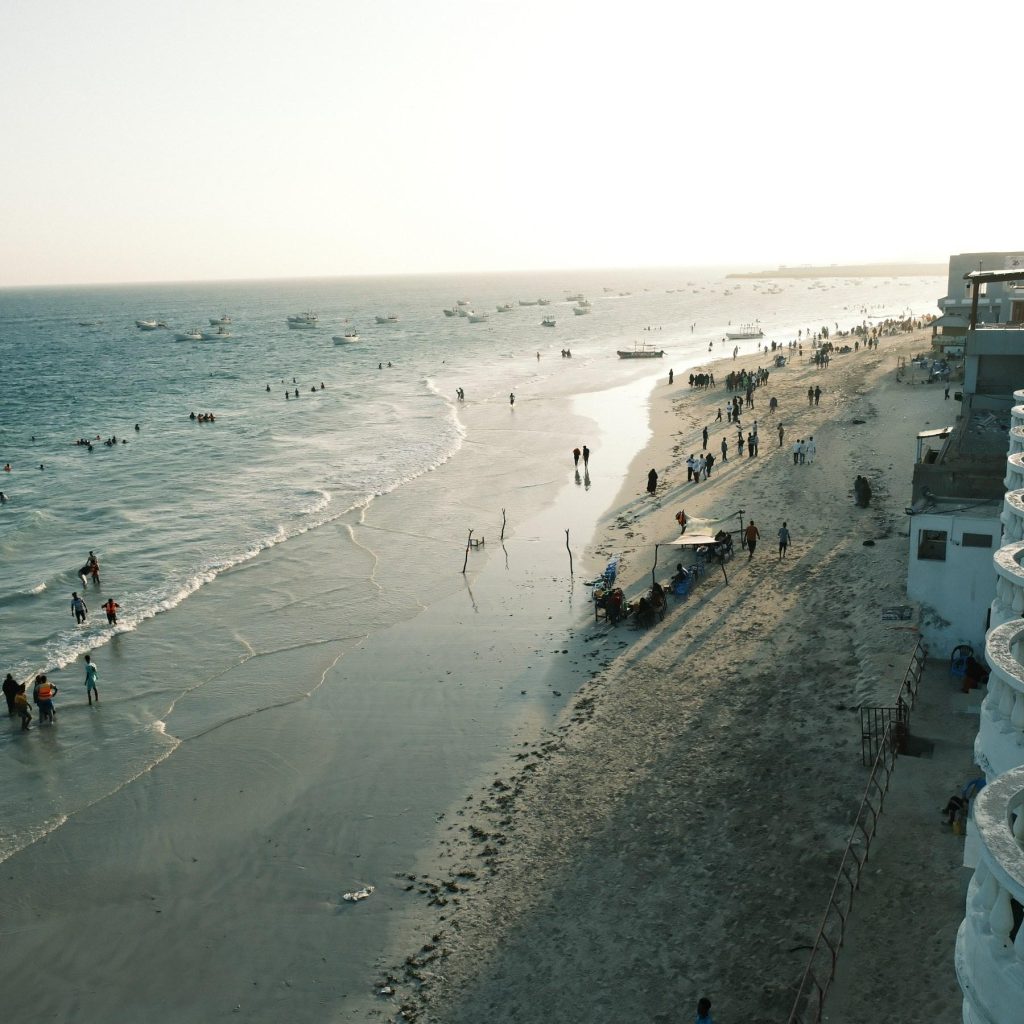
Over the past few years, Mogadishu has seen notable progress in security, especially in core districts and beachfront zones. Restaurants, cafés, and hotels now line Lido Beach, attracting both locals and visiting diaspora. Armed checkpoints remain a part of daily life, and travelers still require security escorts in most areas — a reminder that the city is still healing. Yet despite these precautions, daily life continues with an energy that surprises many first-time visitors.
A Growing Café and Beach Culture
One of the most striking aspects of modern Mogadishu is its vibrant social life. Young Somalis gather at seaside cafés sipping cappuccinos, families stroll along the waterfront, and fishermen bring in fresh catches at sunrise. Music drifts from tea stalls, and football matches light up sandy beaches during sunset. It’s not luxury tourism — it’s authenticity.
Limited Infrastructure, Endless Hospitality
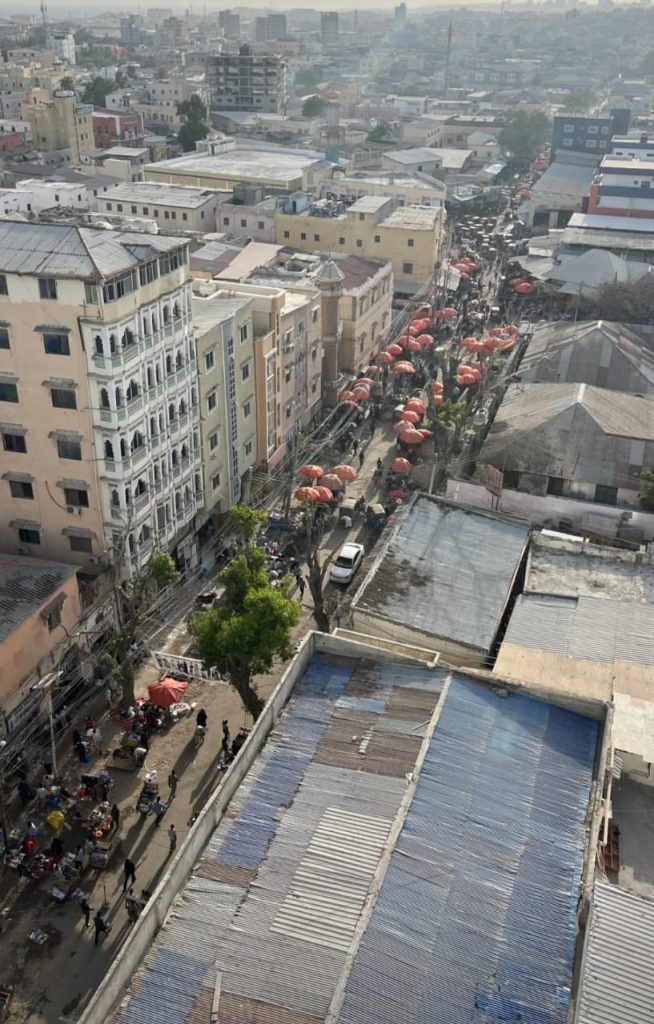
Mogadishu is not yet built for mass tourism. Roads vary in quality, Wi-Fi can be unreliable, and international-standard hotels are mostly confined to secure zones. But what the city lacks in polished infrastructure, it makes up for in raw human warmth. Strangers greet foreigners with curiosity and smiles, often eager to share history, food, or stories of family members abroad.
History Hidden in Plain Sight
Beyond the modern developments lie remnants of Mogadishu’s cosmopolitan past. Old Italian colonial buildings, Ottoman mosques, and 800-year-old stone houses stand alongside new construction. Some are crumbling, others being restored. The city’s past whispers through every archway and coral-brick wall.
Who Is Mogadishu For?
Mogadishu is not yet a destination for casual mass tourism — it is for curious explorers, researchers, journalists, diaspora returnees, and seasoned travelers who value authenticity over predictability. It’s for those who want to witness a nation rewriting its own story — not from afar, but on the ground.
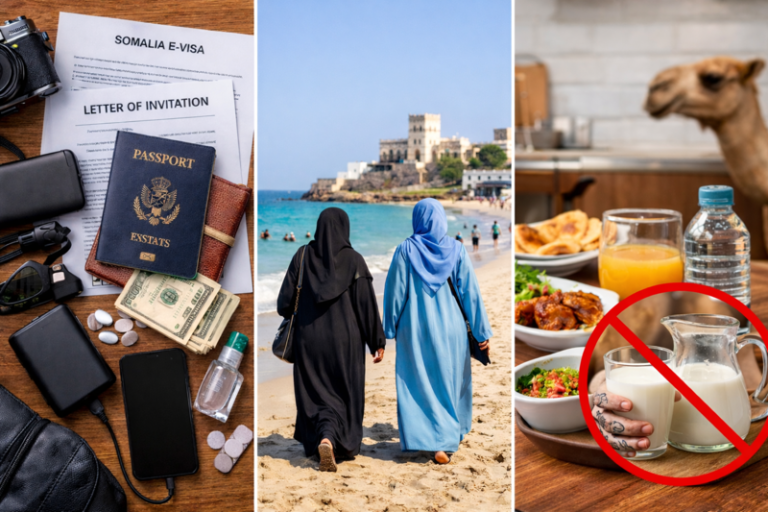
Thanks to Somalia’s online E-visa system, entry procedures are now straightforward and fast. And when booked through professional, licensed operators like RaadTours Ltd, visitors are in safe hands from arrival to departure, with secure transport, guided city access, and tailored itineraries that comply with all safety protocols.
Conclusion: Where Struggle Meets Joy
They say some of Africa’s “happiest countries” are also the poorest — proof that happiness isn’t built with money, but with spirit. Mogadishu embodies that truth. It doesn’t hide its scars; it wears them proudly. It doesn’t sell perfection — it offers perspective.
Mogadishu is not asking to be compared to Dubai or Zanzibar — it is offering something different. It is not polished, but powerful. Not staged, but sincere. For those willing to look past stereotypes, the city reveals a coastline filled with laughter, resilience, and renewal.
Somalia may still be on the road to recovery, but its people are already far ahead — rebuilding, welcoming, and redefining what travel in East Africa can mean. And for those who venture here with respect and curiosity, Mogadishu delivers something unforgettable:
Not luxury — but life.
Not just a destination — but a revelation.