Travel Guide: Exploring Somalia — The Land of Seven Million Camels
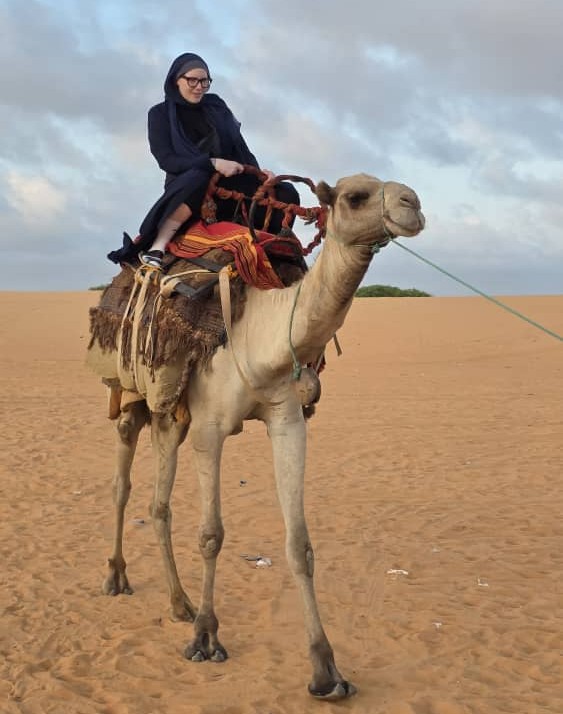
Somalia is not only famous for its pristine coastline and ancient trading ports — it is also known as the camel capital of the world. With over seven million camels, Somalia has the largest camel population on Earth, making it a unique destination for travelers interested in authentic nomadic culture and traditional desert life. Whether you are an adventure seeker, cultural explorer, or photography enthusiast, Somalia’s camel heritage offers one of the most extraordinary travel experiences in Africa.
Unlike other countries where camels are used simply for transportation or tourism shows, in Somalia they hold deep cultural, social, and economic value. A camel is considered a symbol of wealth and honor, passed from one generation to the next. Camels are used in marriage dowries (Yarad) and even blood compensation payments (Mag) during conflict resolution. Speaking to local herders, you quickly realize that camels are part of identity — a man without a camel is said to have no pride, no foundation, and no legacy.
One of the most unforgettable experiences in Somalia is visiting a camel dairy camp, where travelers can watch the entire process of traditional camel milking. Unlike factory farms, these dairies are entirely manual — herders use bare hands to collect fresh milk from female camels lined up in open-air enclosures. The milk is then filtered through cloth and distributed directly to local vendors and households. Tourists are often welcomed to participate, taste the milk straight from the source, and learn why camel milk is considered Somalia’s “white gold” — highly nutritious, naturally low in fat, and believed to cure fatigue and digestive problems.
Camel lovers should not miss the Hargeisa Camel Market in Somaliland, one of the largest camel trading hubs in Africa. Arrive early in the morning to witness live auctions, animated bargaining, and poetic chants praising the beauty and strength of the animals. In Puntland, travelers can join desert nomads on camel trekking journeys, walking alongside caravans that follow ancient migration routes. Further south, in Kismayo and along the Jubba River, camels graze against palm trees and riverbanks — an unexpected blend of desert and tropical scenery ideal for photography and drone footage.
Beyond daily use, camels are deeply rooted in Somali poetry, music, and oral storytelling. Elders recite verses comparing the camel’s stride to royalty, its endurance to faith, and its loyalty to friendship. It is even said that a Somali herder can recognize his camel by voice alone, even after years of separation — a connection that words can hardly describe.
Traveling through Somalia with local guides offers more than sightseeing — it offers a living anthropology lesson, a chance to witness one of the world’s last true nomadic civilizations. While cities grow and technology spreads, the camel remains at the heart of Somali culture, standing tall as a symbol of resilience, survival, and unbroken tradition. For travelers seeking a destination untouched by mass tourism, Somalia’s camel world is not just an attraction — it is a story waiting to be lived.